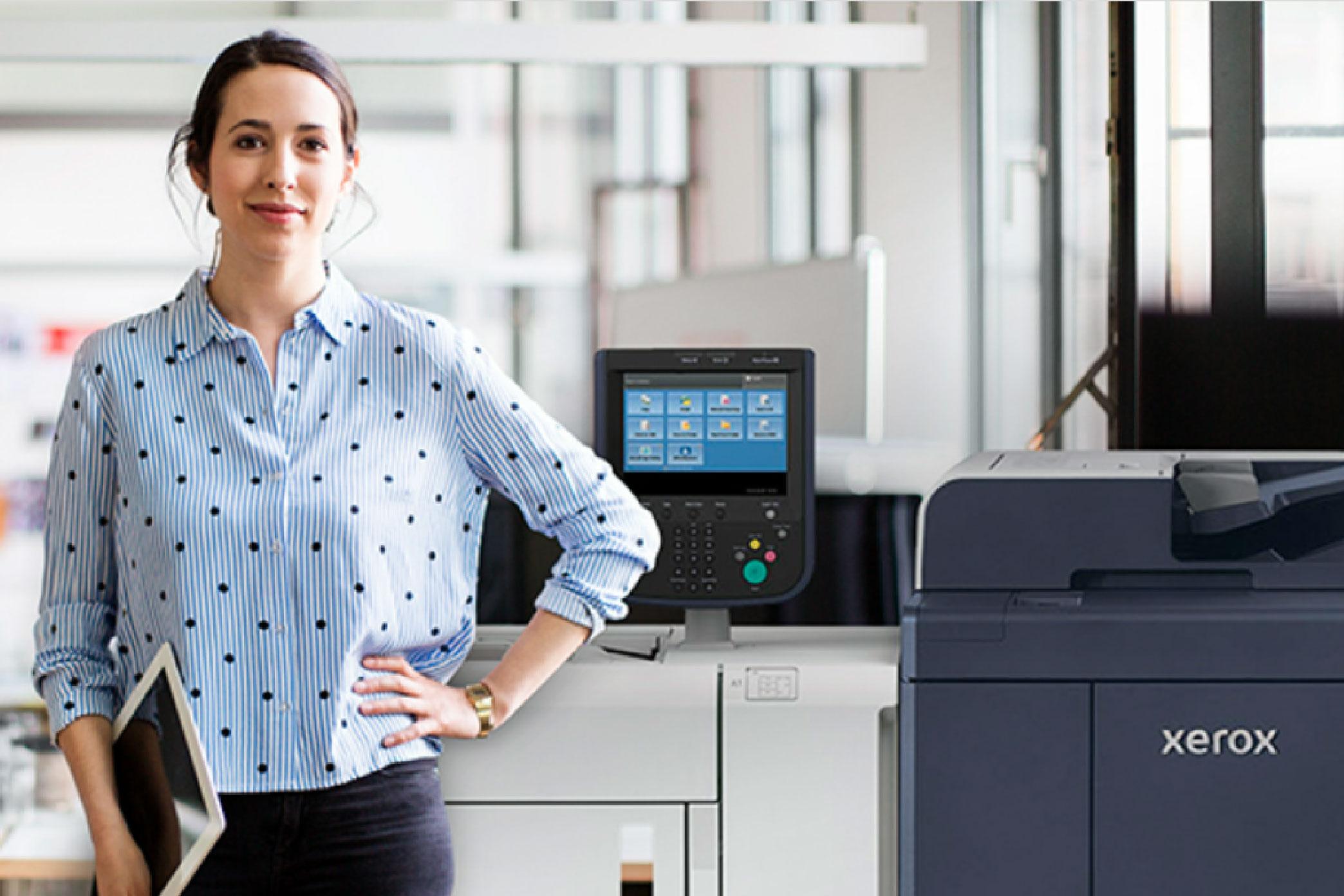



How to Improve Printer Fleet Visibility


Managing dozens, or even hundreds, of printers across multiple business locations can quickly become a challenge. Without accurate printer fleet visibility, IT teams often spend valuable time tracking devices, identifying equipment, coordinating service, and managing supplies instead of focusing on strategic initiatives.
Organizations with distributed locations need more than a device list. They need trusted, current information that connects each asset to its location, users, service activity, supply needs, and the processes that keep the fleet running.
What is printer fleet visibility?
Printer fleet visibility is the ability to accurately identify, monitor, and manage every printer and multifunction device within an organization from a centralized view. When businesses know where every printer is located, how it is being used, and what it needs, they can:
- Reduce manual asset tracking
- Improve service response times
- Simplify supply replenishment
- Increase device uptime
- Reduce operational costs
- Improve IT efficiency
Without this visibility, organizations often rely on outdated spreadsheets, manual inventories, or costly onsite visits just to understand what equipment they have. The challenge is not simply collecting data once. It is keeping that data useful as devices are added, moved, serviced, supplied, or retired.
Why traditional printer registration creates problems
Many organizations still register printers manually during deployment. While this process may work for small offices, it becomes increasingly difficult as businesses expand across multiple locations.
Common challenges include:
- Manual inventory processes
- Inaccurate device records
- Time-consuming onsite registration
- Delayed service requests
- Poor visibility into fleet performance
- Difficulty forecasting toner and supply needs
These issues become even more significant for retailers, healthcare organizations, manufacturers, educational institutions, and other businesses operating numerous locations. Industrywide, IT and operations teams are looking for connected platforms that reduce manual work, improve data quality, and turn device information into timely action.
How self-service registration improves fleet visibility
Modern print management solutions simplify registration by allowing employees to identify and register devices themselves. Using QR-enabled technology, organizations can capture a printer’s make, model, location, and other relevant information without requiring IT personnel to travel onsite.
The result is:
- Faster onboarding
- More accurate asset information
- Reduced labor costs
- Better service planning
- A current view of the print environment
Toshiba eTAG® extends that value beyond the initial registration event. Through mobile and web experiences, authorized users can register devices, update locations, manage adds and moves, request supplies, and initiate service from the device’s QR code. This creates a consistent point of interaction throughout the asset lifecycle, rather than leaving fleet information to become stale after deployment.
Real-world example: Fleet-wide visibility in just one day
A strong example comes from ERIK’S Bike Board & Ski, a specialty retailer operating 35 stores across multiple states.
The company needed a faster, more accurate way to register approximately 150 print devices spread throughout its retail locations. Traditional registration methods would have required extensive manual work and costly onsite visits.
By implementing Toshiba’s patented eTAG® technology, store employees were able to register every printer using a simple QR-code process. The entire fleet was registered in just one day, ahead of the original one-week deadline. The project also improved asset accuracy, reduced IT workload, and provided centralized visibility across every location.
Visibility is the foundation, not the finish line
Accurate device identity and location data create the foundation for better service and supply processes, but visibility alone does not keep a fleet operating. Organizations also need connected procedures that use those records consistently across onboarding, service, supplies, reporting, and ongoing account management.
This is where capabilities such as Intelligent Automatic Toner Replenishment become important. By applying predictive analysis to device telemetry, usage patterns, toner coverage, shipment history, and account requirements, replenishment can move from static thresholds toward better-timed, exception-based decisions. When that intelligence is connected with eTAG, the device record can become a practical access point for location updates, supply status, service activity, and self-service actions.
Business benefits of better printer fleet visibility
Lower IT costs: Reducing manual inventory work and unnecessary onsite visits allows IT teams to focus on higher-value initiatives.
Improved service response: Knowing which device needs attention, where it is located, and its recent activity helps support teams respond with better context.
Better supply management: Accurate asset and location data, combined with predictive replenishment processes, helps ensure supplies reach the correct device when they are needed.
Simplified fleet management: Centralized visibility makes it easier to onboard locations, manage adds and moves, retire equipment, and maintain accurate records.
Increased productivity: Employees spend less time reporting basic device details, while IT and service teams spend less time searching across disconnected systems.
Is your organization ready for smarter fleet visibility?
If your organization manages printers across multiple offices, retail stores, campuses, or facilities, improving fleet visibility can reduce administrative work and strengthen operational control. Modern solutions like Toshiba eTAG® help organizations register devices faster, maintain more accurate asset information, and give users a simpler way to interact with service and supply processes.
The larger opportunity is to connect that visibility with intelligent replenishment, predictive service, and workflow automation. When devices are accurately identified and downstream processes can act on the same trusted information, fleet visibility becomes more than a dashboard. It becomes the foundation for a more proactive, efficient, and connected managed print experience.
How confident are you that your organization’s fleet data remains accurate after devices are moved, replaced, serviced, or supplied?


